
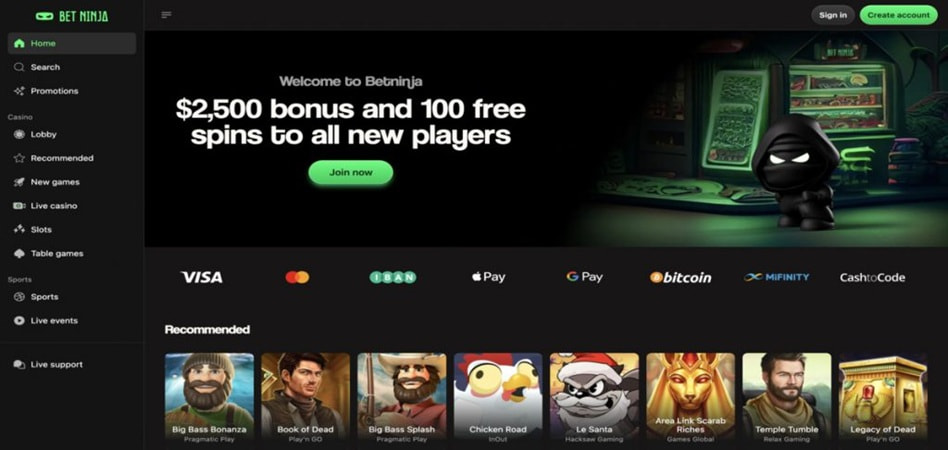
We have stood at the digital racetrack, heart racing, staring at a horse with generous odds that we feel in our gut could storm into a podium finish even if the win appears a touch ambitious. That exact moment, that electric blend of hope and analysis, is where the each way bet changes from a simple wager into a tactical masterpiece. At online betting betninjacasino, we believe the each way market is not just an protection policy for the timid; it is a double-edged sword for the bold, a weapon that separates your stake into two different battles waged simultaneously on the same playing field. It converts a single selection into a tale with various happy endings, letting us to cheer for a thrilling photo finish for first place while already rejoicing the fact that our pick comfortably grabbed a top-three spot. Comprehending this mechanism is the gateway to extending a bankroll, easing the cruelty of a tight defeat, and finally, placing wagers that match the true intricacy of the sports we love.

Understanding the Place Terms and Fractions
We must have a deep comprehension of the fractions that govern our place returns, as these tiny figures create drastically different earnings . The standard practice is a dynamic entity that changes based on the type of race or sport and, crucially, the number of runners. In a typical horse race with 8 to 15 runners, the bookmaker might offer 1/5 odds for a top-three finish. If we wager on a 10.0 shot and it places, our win part loses, but our place part works out 10.0 divided by 5, giving us 2.0 odds, multiplying by two our place stake. This keeps us alive. However, the landscape changes favorably in big-field handicaps of 16+ participants, where terms often stretch to 1/4 odds for a top-four finish. Suddenly, those juicy double-digit outsiders offer a significantly better reward for merely hitting the frame, making the bet much more appealing.
We must verify the “Each Way Terms” link on the Betninja Casino bet slip prior to finalizing. The exact fraction in place is the difference between a smart hedge and a foolish drain on our bankroll. A 1/5 fraction on a heavily backed horse is usually an inefficient bet; the horse needs to win just to break even or make a minuscule profit, which defeats the purpose of the safety net. In contrast, we hunt for the exceptions when the sportsbook’s fractions are slow to reduce as the field size increases. We are additionally watchful for particular golf tournaments or pre-event markets where terms may be advantageous since the regular win bettor neglects them. The place terms are our contract with the sportsbook, and reading that fine print with a hunter’s eye is what distinguishes a casual bet from a serious investment.
Why We Opt for the Each Way Play
We are thrill-seekers with math tools, which is the very reason the each way market holds such a strong attraction over our wager. The primary psychological draw is the safeguard against the disappointment of a photo finish loss. We have all felt the dreadful quiet of watching our horse lead for 99% of the race only to get caught on the line. With a normal win bet, that story concludes in total monetary loss. With an each way bet, that same heartbreaking second-place finish triggers the place component, often refunding our entire stake and sometimes a decent profit. It transforms a near-miss from a funeral into a acknowledgment of acknowledgment from the gambling gods. We are not simply buying insurance; we are buying the mental freedom to back horses or teams at longer prices without the all-or-nothing worry that commonly accompanies a live outsider.
Furthermore, we use this tactic as a powerful value-finding tool in markets where we recognize a mismatch between a participant’s true chance of placing and the place odds being available. In a massive handicap field of 20 entries, the gap between a horse’s winning chance and its chance of finishing fourth can be vast. The place terms might not properly represent the fringe contender’s steadiness. By allocating our investment, we attack that weakness in the market. It is a tool of restraint, allowing us to follow a erratic golfer who regularly finishes top 5 but seldom wins, or a football team that records draws too many matches. We select this path because it coordinates our money with a reality that pure win markets often overlook: sometimes, finishing in the mix is a huge achievement meriting of reward.
The Statistical Terrain of Profit and Danger
We must calm our adrenaline for a moment and press the raw data against our excitement, because the each way bet is a relentless mathematical equation dressed in racing silks. The critical mistake we encounter is the unthinking adoption of this bet type to a selection simply because it is an outsider. When we employ each way to a 4.0 shot at 1/5 odds for a place, the math is brutally tight. A win yields a good payout on both parts, but a simple place often results in a loss on the total outlay. We calculated the numbers a multitude of times: a $10 unit each way ($20 total) on a 4.0 winner brings us $40 win return and $16 place return, adding up to $56. A place-only finish at those same terms pays just $16 on our $20 outlay—a $4 sting. The numbers demand that we target higher prices.
The profit curve rises impressively when we enter double-digit odds. A 26.0 shot with 1/4 place terms transforms a place finish into a 6.5 odds return on the place stake. That transforms a $10 place investment into a $65 return, swamping the losing win bet and delivering a massive net profit even in defeat. This is the resolution of the puzzle. We are not searching for winners in the traditional sense; we are hunting for “place value anomalies.” We calculate the true probability of a top-3 finish versus the implied probability of the fraction odds offered. When our internal database suggests us a horse should have a 20% chance of winning but a 60% chance of finishing in the top spots, and the market is only valuing the place at 40%, we act. This mathematical discipline changes our mindset from a gambler hoping for a miracle to a numbers trader leveraging a systematic edge in the bookmaker’s odds matrix.
Evading the Trap of a Dropping Double Stake
We have endured the sharp quiet of a bet settlement screen that displays two zeros, and it bites twice as severely on an each way wager because the expense of admission was multiplied. https://www.winnipegfreepress.com/sports/tennis/2024/08/06/nishikori-wins-in-montreal-for-first-victory-in-an-atp-masters-1000-tournament-since-2021 The most common pitfall we see is using the each way format to selections with no realistic chance of reaching the required places. If a horse cannot even break into the top 3 in a 7-runner field, we haven’t just forfeited a win bet; we have torched twice the sum of money on blaze. The self-control of uttering “no” to an each way bet is just as vital as the wisdom of laying one. We constantly ask the question the hard question before pressing submit: if this selection doesn’t win, what is the complete, undeniable actuality of it finishing second or third? If the response involves “a miracle” or “three rivals tumbling over,” we walk away or we cut down to a win-only stake and acknowledge the high risk.
We also notice a annoying drain when bettors ignore “dead-heat” rules or non-runner reductions. The place fund is finite. If we place an each way bet on a 16-runner handicap anticipating 1/4 odds for four places, but two late withdrawals reduce the field to 14 runners, the place terms dwindle accordingly to perhaps 1/5 odds for three places. Our thoroughly calculated edge might vanish in an administrative puff of smoke before the race even starts. We remain vigilant, checking the number of confirmed runners at the off. The rigor of understanding how withdrawals impact our place dividend protects us from the gradual death of lost value. A losing double stake is a heavy psychological load, and the only way we sidestep it is by handling the place component with the same thorough analysis we give to the win component.
The Mechanics of a Split Stake
We need to strip away the jargon and study the underlying machinery powering an each way wager if we are ever going to command it effectively. When we fire an each way bet into the system, we are not putting one bet with a weird name; we are putting two completely separate bets of equal value, packaged together for convenience. The first half of our total outlay is the “Win” component, and this acts exactly like a standard straight-up bet. If our selection passes the line first, we get compensated at the full advertised odds on that part of the stake. The second half is the “Place” component, and this is where the intrigue and the mathematics get complex. The bookmaker allocates a fraction of the winning odds—usually 1/4 or 1/5—and specifies a specific finishing threshold that must be met for this part to generate a profit. The total cost of entry is always twice the number we first picture. If we say we want a $10 each way bet, our account balance has to stretch by $20. Ten dollars heads off to fight for the win at the full price, and ten dollars digs in to secure a payout at the reduced place terms.
This is the essential mental shift we make at Betninja Casino when designing our staking plans. We are funding two distinct missions, which means we must be doubly confident in the selection’s ability to at least make the frame. The appeal, however, lies in the autonomy of the returns. A horse that charges ahead in first place triggers a cascade of profit where we get rewarded on both the win part and the place part at the same time. That experience of combining the payouts, of collecting on a technicality even as we dominate, is the most unadulterated expression of each way betting satisfaction. We are not just hoping for one outcome; we are engineering a scenario where a range of results can still flood our account with returns, and that structural benefit alters how we watch every single race develop.
Soccer and the Art of the Outright Betting
We move from the turf to the pitch, where the each way principle evolves into the outright tournament market and provides a season-long narrative that celebrates consistent quality over fleeting magic. When we support a team to win the World Cup or the Premier League on an each way format, the terms are typically set at 1/2 odds for a top-two result. We consider the long list of teams and pick a nation or club that is just below the super-favorites. This is a game of backing the best of the rest. In international tournaments, the knockout bracket often offers a relatively soft path to the final for a well-organized, defensively solid team. We spot that dark-horse squad, and the each way bet becomes a passport to a month of tension, where every knocked-out favorite clears the path for our selection to march into the final.
The payout structure here is extremely top-heavy, yet the place part offers a majestic safety net. If we pick a 15.0 shot to win the tournament, a 1/2 place fraction pays out at 7.5 on the place stake if they fall short in the final. That is a remarkable return for heartbreak. We do not just want to win; we wish to be paid for the journey. This also impacts our hedging strategies. If our team reaches the final and meets a superior opponent, we are holding a guaranteed profit from the place part, even before the match kicks off. This provides us the confident confidence to either let the win part ride for the full glory or protect the win bet for a risk-free profit. Football outrights on an each way basis are not merely wagers; they are season-long sagas where our stake fights through groups, extra time, and penalties, generating its keep as long as we reach the final podium.
Building a Plan Centered On Long-Shot Hits
We craft our most exciting battle plans around the disciplined hunting of long-shots where the each way structure becomes less of a fallback and more of a profit catapult. This does not involve picking the favorite that “should” place; this is about finding the 34.0 outsider in a chaotic sprint handicap where the pace setup promises to disrupt the pace-setters and propel a closer. Whenever we find a horse that has been coming home strongly over a slightly insufficient trip, and it steps up in distance today with a low weight, our eyes brighten. The market is cold on it because it hasn’t won, but its sectional times suggest that a top-3 finish is a near-certainty if the gaps show. We stake aggressively each way, confident that a 34.0 winner yields a monstrous profit on the win part, plus a 1/4 place return of 8.5 that would be a superb day’s work even on its own.
This strategy hinges on our ability to assess the shape of the race. We look for competitive fields with three or four obvious front-runners who might burn each other out. The long-shot we choose need only plug on at a steady gallop to pass exhausted rivals deep in the stretch. We see this narrative unfold most often in long-distance all-weather flat racing or grueling National Hunt steeplechases where jumping errors thin the field naturally. The bet slip also looks fantastic on a rain-soaked day at the track when the going turns heavy and unexposed horses struggle. The each way long-shot play is a celebration of deep race reading. When it lands only for the place, we often recoup enough profit to fund the next weekend’s entire card. When it shocks the world and wins, the dual payout feels like exploiting a glitch in the matrix, a testament to our courage to step away from the chalk and trust the outsider.
To carry out this strategy effectively, we follow a disciplined checklist before committing our funds:
- Ensure the field size provides the maximum place terms, preferably 16 or more runners for 1/4 odds on four places.
- Study sectional times and late-speed figures to establish the selection completes races strongly, even when defeated.
- Identify a pace setup with multiple established front-runners likely to duel and set the table for a closer.
- Check the weather forecast and going conditions, favoring soft or heavy ground that reveals stamina limitations in the favorites.
- Confirm the jockey booking signals intent, looking for a rider known for composed, well-timed finishes on staying types.
Navigating Live Racing and Each Way Markets
The roar of the engine enters a unique pitch when we use each way logic to the live betting arenas, where momentum shifts wildly and odds pulse with every second. On the Betninja Casino platform, in-play each way betting on horse racing calls for a visceral connection to the unfolding spectacle. We watch the parade ring, we notice the sweat on a gelding’s neck, and we focus—through the screen—on the jockey’s body language. When the stalls crash open, our pre-race each way selection might have shifted in the market, and that is acceptable; the place terms were secured at the time of placement. But the live context also gives us the chance to reconsider if a horse is running like a dream mid-race. It is unusual to make a new each way bet late into a race, but understanding the mechanism assists us interpret the live action.
We watch a horse settle beautifully in the pocket, three lengths behind a suicidal pace, and we realize that our earlier each way docket is instantly looking bulletproof. The live market often reacts excessively to a horse fighting hard or a short-lived traffic jam. If we have obtained a place back-up earlier, we can observe the chaos with a cool head, knowing that a clear path often materializes in the final furlong. In sports like tennis or basketball, live each way analogues exist via “top 2” or “to make the final” markets, but in racing, this is the classic struggle. We are not just watching a race when we hold an each way ticket; we are watching two races at once—the sprint for glory and the battle for the minor positions. That twin focus turns the live stream twice as intense, converting the scramble for fourth into a personal crusade.
Trusting Betninja Casino for the Each-way Edge
We built the Betninja Casino sportsbook interface to be an extension of the tactical mind, a place where the each way market is displayed openly in a corner but emphasized as a fundamental pillar of our gambling philosophy. The bet slip adjusts instantly when we click the “E/W” toggle, visually analyzing the dual outlay and the projected unit returns so we never doubt where our money stands. This transparency is critical when odds shift in the final moments before the off. We present the place terms in a pop-up window; we display them right next to the selection plus a instant calculation of the payout scenario. When we are deep into the Saturday rush, examining a handicapping puzzle, we need a platform that communicates the language of fractions and frame finishes as skillfully as we do, and that is exactly the refuge we have created.
Beyond the interface, we ensure our place terms remain fiercely competitive, particularly on the premium international meetings and major North American Grade 1 races that Canadian punters devour. We often extend the place limit—offering an extra place in select races—turning the mathematical equation sharply in our favor. This is the edge we hunt together. An extra place in a 16-runner handicap transforms a speculative punt into a high-frequency winning formula. Combine this with our rapid settlement software that flashes the result the moment the photo-finish camera blinks, and we have an ecosystem built for speed and precision. We are not just a vessel for placing a bet; we are the analytical engine backing the decision, ensuring that when we take a deep dive into an each way bet, the water is always warm, the visibility is crystal clear, and the potential treasure on the seabed is too significant to ignore.
The each-way bet is reddit.com the holy grail of the turf, transforming the dross of a near miss into the gold of a paid profit. It demands a higher price of entry, a sharper eye for value, and a willingness to celebrate the podium steps just as loudly as the highest place. We have navigated the dual mechanics, analyzed the mathematics, and devised the strategy for gaining the greatest pleasure from the place. The next time we approach the dark green grid of the Betninja Casino race card, we will do so with the assurance that we are not merely backing a winner, but financing a finish. It is the smart player’s signature, the supreme bet for those of us who understand that sometimes, being second is absolutely first-rate.